
As a passionate outdoors enthusiast, I've always been fascinated by the incredible partnership between humans and dogs in the field of hunting. It's a bond that dates back millennia, long before the advent of agriculture. In 2026, this partnership is as vital as ever, but with so many specialized breeds and considerations, how does one choose the right canine companion for the hunt? The answer lies in understanding the distinct types of hunting dogs and matching their innate abilities to your specific game and environment. A good hunting dog isn't just born; it requires a strong prey drive, receptiveness to training, endurance, and athleticism. But beyond the hunt, these dogs often make exceptional family members, blending work ethic with loyal companionship. Let's dive into the world of hunting dogs and explore what makes each type unique.
The Four Pillars of Hunting Dogs: Understanding the Types
Hunting dogs aren't a monolith. They are meticulously bred for specific tasks, and choosing the wrong type for your game is a recipe for frustration. Broadly, they fall into four main categories, each with a specialized skill set.
1. Bird Dogs (Gun Dogs): The Aerial Specialists
Bird dogs, or gun dogs, are the quintessential partners for fowl hunters. Their primary role is to locate game birds, flush them into the air for the hunter, and then retrieve the downed birds. But did you know there are sub-specialties within this group?
-
Pointers: These dogs are the statues of the field. Upon scenting birds, they freeze in a classic pointing stance, nose aimed directly at the prey, allowing the hunter to get into position.
-
Flushers: As the name suggests, these dogs actively rush into cover to make the birds take flight.
-
Retrievers: Masters of the fetch, they are experts at gently bringing back shot birds, often from cold water or thick brush.
2. Scent Hounds: The Nose Knows
If bird dogs are specialists, scent hounds are the relentless trackers. They follow prey trails using their powerful sense of smell, often vocalizing with distinctive bays or howls so the hunter can follow even when the dog is out of sight. Some are "treeing" dogs, chasing prey like raccoons or cougars up a tree and holding them there until the hunter arrives.
3. Curs: The Versatile Hunters
Often overlooked, curs are the all-rounders. They excel at both hunting and herding and are particularly adept at the "treeing" technique. Their versatility made them invaluable to pioneers and settlers.
4. Terriers: The Underground Experts
Don't let their size fool you. Terriers possess a fierce prey drive and are built to pursue small game into burrows and tight spaces. They are the specialists for ground-dwelling prey like rats and rabbits.
Top Hunting Dog Breeds for the Modern Hunter (2026)
With the types established, let's look at some of the most popular and effective breeds for today's hunter. The choice often comes down to the specific game and the desired traits in a companion.
🏆 The Elite Gun Dogs
| Breed | Best For | Key Traits | Family-Friendly? |
|---|---|---|---|
| Labrador Retriever | Duck hunting, cold water retrieval | Enthusiastic, energetic, loyal, excellent swimmer | ✅ Extremely friendly & great with families |
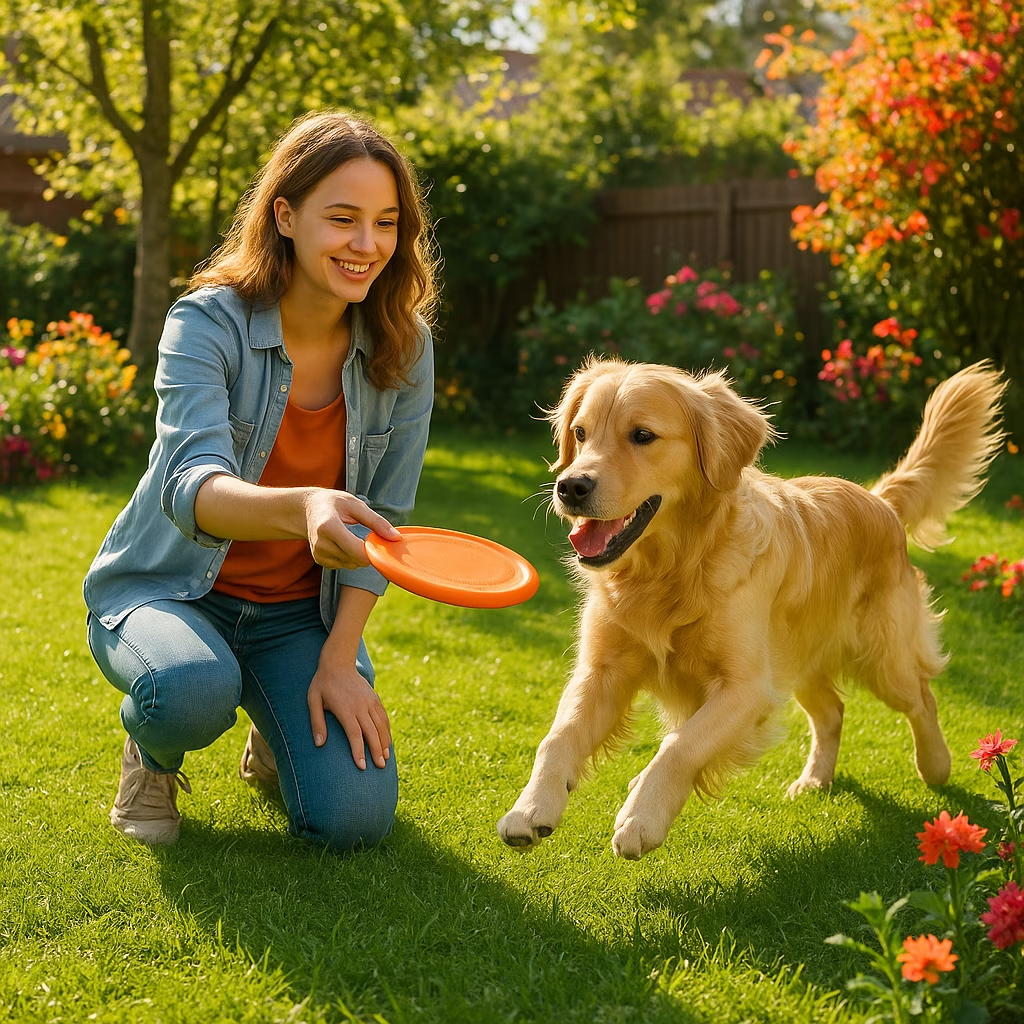
| Golden Retriever | Bird hunting, small game | Loyal, highly trainable, gentle | ✅ Wonderful with children, needs lots of activity |
| German Shorthaired Pointer (GSP) | Versatile tracking, pointing, retrieving | Athletic, intelligent, bold, high-energy | ✅ Great family dog, but may chase small pets |
| English Springer Spaniel | Flushing pheasants, navigating tight cover | Affectionate, alert, excellent retrieving skills | ✅ Makes an excellent family companion |
The Chesapeake Bay Retriever deserves a special mention. This rugged gun dog has an oily, waterproof coat perfect for icy water retrieves. They are fiercely loyal to their family but can be reserved with strangers, making them a dedicated one-person hunting dog.
👃 The Master Trackers: Scent Hounds
-
Beagle: The classic rabbit hunter. Compact, loud, and blessed with an amazing nose, Beagles are also incredibly loving family pets. Their size makes them versatile for various terrains.
-
Bluetick Coonhound: A true powerhouse. This breed can track and tree anything from raccoons to mountain lions. They are vocal, high-energy, and best for very active households with space to roam.
-
Bloodhound: The undisputed champion of the scenting world. With the strongest sense of smell of any breed, they are tracking legends, used even by police. Gentle and laidback at home, they still require substantial exercise.
-
American Foxhound & Plott Hound: Bred for endurance and determination, these hounds thrive on the chase. The Plott, North Carolina's state dog, is particularly known for being fearless, loyal, and protective.
💎 Other Notable Standouts
-
Boykin Spaniel: Bred in South Carolina for retrieving in swamps and lakes, this energetic, affectionate spaniel is a perfect match for waterfowl hunters with active families.
-
Brittany: A tireless and intelligent gun dog that lives for bird hunting. They form incredibly strong bonds and can suffer from separation anxiety, craving companionship both in the field and at home.
-
Mountain Cur: The "All-American Pioneer dog." This versatile hound loves the outdoors, has a strong work ethic, and enjoys having a job to do, making them ideal for hunters who want a true multipurpose partner.
Safety First: Protecting Your Canine Partner in 2026
A hunting dog is an investment and a companion. Their safety in the field is non-negotiable. Comprehensive training is the absolute foundation—your dog must reliably respond to commands and understand hunting protocols before ever setting foot in the field. But training alone isn't enough. Here is my essential safety checklist for any hunting trip:
-
Visibility is Vital: Equip your dog with a reflective collar and a high-visibility vest. In low-light conditions or thick brush, this can be a lifesaver.
-
Pack for Your Pup: Never assume you'll find water. Bring collapsible bowls, ample fresh water, and high-energy food. Your dog is an athlete and needs fuel.
-
Pet First-Aid Kit: Be prepared for cuts, thorns, or minor injuries. A specialized pet first-aid kit should be as standard as your own.
-
Parasite Prevention: Before the season, ensure your dog is up-to-date on flea, tick, and heartworm preventatives. Fields and forests are full of these pests.
-
Know Their Limits: Even the most athletic dog can overheat or become exhausted. Pay attention to their signals and provide plenty of rest breaks.
FAQ: Your Top Questions Answered
❓ Can any dog be a hunting dog?
While all dogs have a residual prey drive, it has been deliberately bred out of many companion breeds like the Cavalier King Charles Spaniel, Maltese, and Japanese Chin. These breeds do not make suitable hunting companions.
❓ How long does it take to train a hunting dog?
Turning a puppy into a reliable hunting partner takes significant, consistent training. This includes acclimating them to gunshots, teaching steadiness and retrieve commands, and honing their scenting skills. Many hunters, including professionals, utilize specialized training facilities.
❓ Why do so many hunting dogs have long, floppy ears?
It's not just for looks! Those long ears are believed to help sweep scent particles from the ground up toward the dog's nose, effectively funneling and concentrating the smell, which enhances their legendary tracking ability.
❓ What should I feed my hunting dog?
A hunting dog's diet is like that of a marathon runner. They require a high-protein, high-fat diet with adequate carbohydrates to sustain energy during long, active days. Always consult your veterinarian for breed-specific and activity-level dietary advice.
Choosing and partnering with a hunting dog is one of the most rewarding aspects of the sport. It's a relationship built on mutual trust, ancient instincts, and modern training. Whether you're drawn to the elegant point of a setter, the relentless drive of a hound, or the joyful retrieve of a spaniel, there's a perfect canine partner out there waiting for the 2026 hunting season. The key is to match their purpose to your passion, and always prioritize their well-being as your trusted companion in the field.