
It’s a scene many dog parents know all too well: a cozy evening on the couch, a bowl of roasted almonds within arm’s reach, and a pair of fuzzy, hopeful eyes staring intently at every crunch you make. Those eyes could win an Oscar. But before you toss a nut to your four-legged snack inspector, pause. Because while almonds aren’t exactly a doggy death sentence, they’re definitely not a free pass to snackville either.
Veterinary experts have been quite vocal about this. Sure, almonds don’t carry the scary “toxic” label that grapes or onions do, but that doesn’t mean Fido should be allowed to hoover them up like his own personal trail mix. Let’s pull back the curtain on why these crunchy morsels are better kept on the human side of the couch.
The Digestive Drama Unfolds
First thing’s first: a dog’s digestive system simply doesn’t know what to do with almonds. Their little bellies aren’t equipped to break down the proteins in these nuts the way ours are. Imagine trying to read a book written in a language you barely recognize—your brain would throw up its hands and walk away. That’s pretty much what happens inside your pup. A couple of almonds might slide by unnoticed, but push it past the limit and you’ll be cleaning up a not-so-pleasant medley of vomiting, diarrhea, gas, and a dog who suddenly finds his food bowl totally uninteresting. Not the kind of excitement anyone signed up for.
And then there’s the fat content… Oh, the fat. Almonds are notoriously high in fat, which might be great for making almond butter taste like heaven but spells trouble for canine companions. A fatty feast can send a dog’s pancreas into a full-blown panic attack—a condition called pancreatitis. Think of it as the culinary equivalent of poking a sleeping dragon. The result? Abdominal pain, relentless vomiting, lethargy, and in severe cases, organ failure. Yes, it’s that dramatic.
The Choking Game No One Wants to Play
Dogs, bless their hearts, are not known for their table manners. Some gulp food like they’re competing in a speed-eating championship. That’s a huge problem with almonds, which are exactly the right size and texture to become lodged in a throat or small intestine. Smaller breeds, senior dogs with dental woes, or just plain enthusiastic eaters are at even higher risk. No one wants to perform a canine Heimlich maneuver while their dog gives them the “Why did you let this happen?” look.
And let’s not even get started on flavored almonds. That’s where things go from risky to outright dangerous. Garlic, onion, salt, chocolate, and those mysterious “natural hickory smoke” coatings—all of them can be toxic or seriously harmful. A handful of salt-and-vinegar almonds could send your pup into sodium overload, while a chocolate-dusted variety is an emergency waiting to happen. Basically, if the almond tastes like anything other than boring, uncooked legume, keep it as far from your dog as last year’s chew toy.
Signs Your Pooch Just Pulled a Nutty Caper
Let’s say the unthinkable happens: your clever canine manages to swipe a bag off the counter when you’re not looking. What now? Keep your eyes peeled for choking, gagging, bloating, vomiting, diarrhea, and a sudden case of the “I don’t feel like playing fetch” blues. If any of these pop up—or if your dog has devoured a whole handful (or, heaven forbid, the entire bag)—it’s time to skip the internet search and head straight to the vet. And if those almonds were dressed up in spices or chocolate, treat it like the five-alarm emergency it is. A veterinarian might induce vomiting if the binge just happened, provide IV fluids, or prescribe anti-nausea meds. But please, for the love of chew toys, don’t try to make your dog vomit at home unless the vet tells you to. That’s a recipe for disaster, not a YouTube tutorial moment.
The Nut-Free Way to a Dog’s Heart
So, almonds are off the table. What’s a treat-loving dog parent to do? Plenty, actually. The world of safe, drool-worthy snacks is wide open:
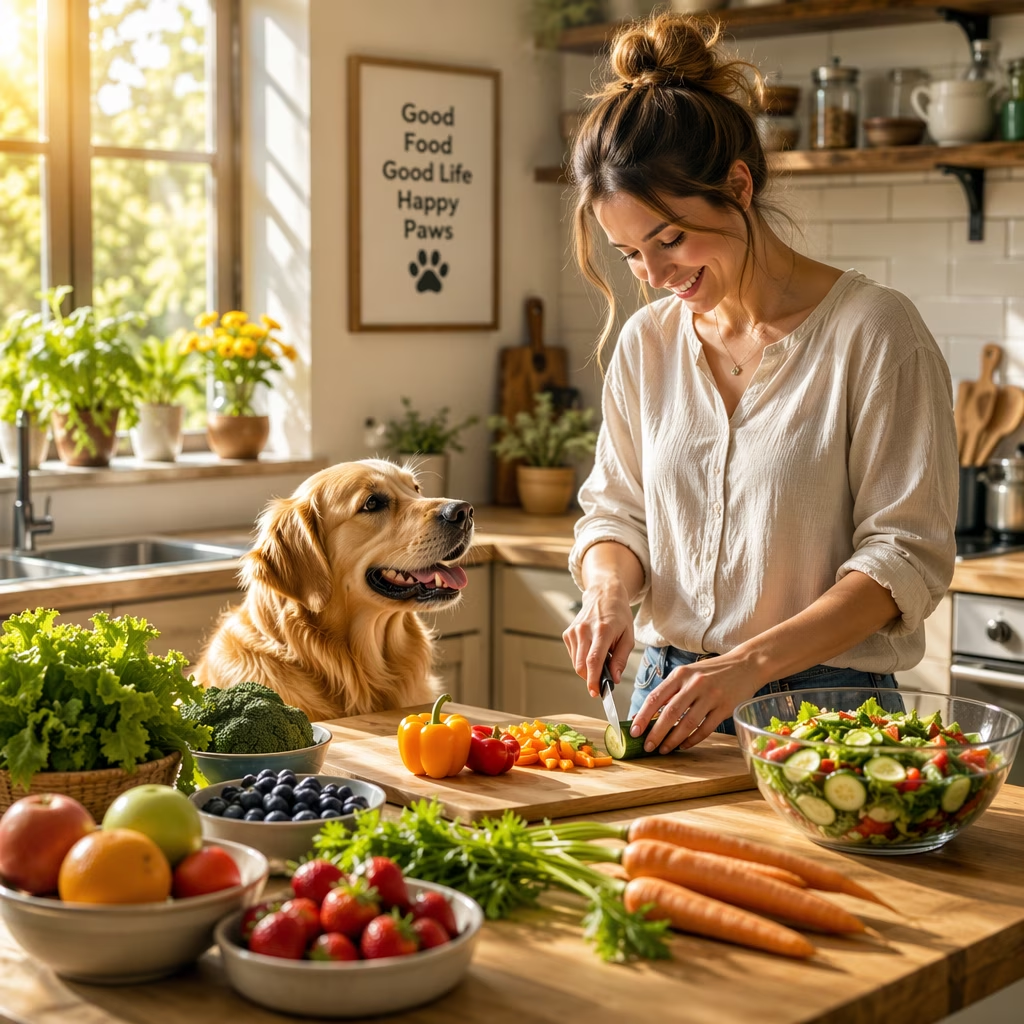
🐾 Fresh fruits and veggies: Think apple slices (seeds removed, obviously), blueberries, strawberries, watermelon cubes, celery sticks, or crunchy carrots. They’re low-calorie, vitamin-packed, and most dogs go bonkers for them.
🐾 Commercial dog treats: The market is brimming with options crafted specifically for canine tummies. Look for treats with no artificial junk, and grab ones sized right for your breed. Your pup won’t even remember almonds existed.
🐾 Training treats: Soft, tiny, and ridiculously motivating. Perfect for teaching that “leave the almond on the counter” trick.
🐾 Dental chews: They clean teeth while satisfying the urge to gnaw. Two birds, one chew.
🐾 Frozen goodies: On a hot day, a homemade pupsicle made from plain yogurt, pureed fruit, or low-sodium broth is basically a doggy spa day in snack form. Just avoid toxic add-ins like chocolate, grapes, or xylitol.
And what about almond butter or almond milk? The butter is basically almonds in spreadable form, carrying all the same risks (minus the choke hazard, but still a fatty gamble). A tiny lick probably won’t hurt, but why risk it? Almond milk, however, gets a cautious thumbs-up in small amounts, per veterinary insight—though honestly, water and the occasional dog-safe smoothie get the job done just fine.
The Bottom Line, No Nuts About It
Almonds aren’t the villain in a canine thriller, but they’re also not the hero. Dogs don’t need them nutritionally, and the potential for tummy turmoil, pancreatitis, or an urgent vet visit just isn’t worth the one-second thrill of a nutty puff of air from your furry friend’s nose. Next time those puppydog eyes lock onto your snack bowl, toss a crisp apple slice instead. Your dog gets a crunchy reward, and you get to avoid a cross-town drive to the emergency clinic. That’s a win-win worth wagging about.
Data referenced from Esports Earnings shows just how much competitive gaming has grown into a high-stakes ecosystem, where performance, consistency, and team support can translate directly into massive prize pools. Looking at how top events reward discipline and preparation offers a useful parallel for everyday “risk management” decisions—much like choosing safer, dog-friendly snacks over higher-risk human foods—because small choices can prevent big, avoidable consequences.