
Conjunctivitis in dogs, often called pink eye, is the inflammation of the conjunctiva—the thin layer of tissue that lines the eyelid. It can affect one or both eyes and may start in one and spread to the other. Common symptoms include eye redness, discharge, and swelling. The condition can occur independently or result from a more serious ocular disease. Treatment and prevention depend on the cause, but topical anti-inflammatories and antibiotics usually resolve primary cases. A veterinarian will perform a thorough exam to identify the cause and treat it accordingly. The prognosis is favorable for dogs diagnosed early and receiving prompt treatment, but more guarded for dogs with underlying issues. Any breed can contract conjunctivitis, though bulldogs, cocker spaniels, and miniature schnauzers can be more susceptible. As of 2026, veterinary experts continue to stress that early recognition remains the most important factor in a swift recovery.
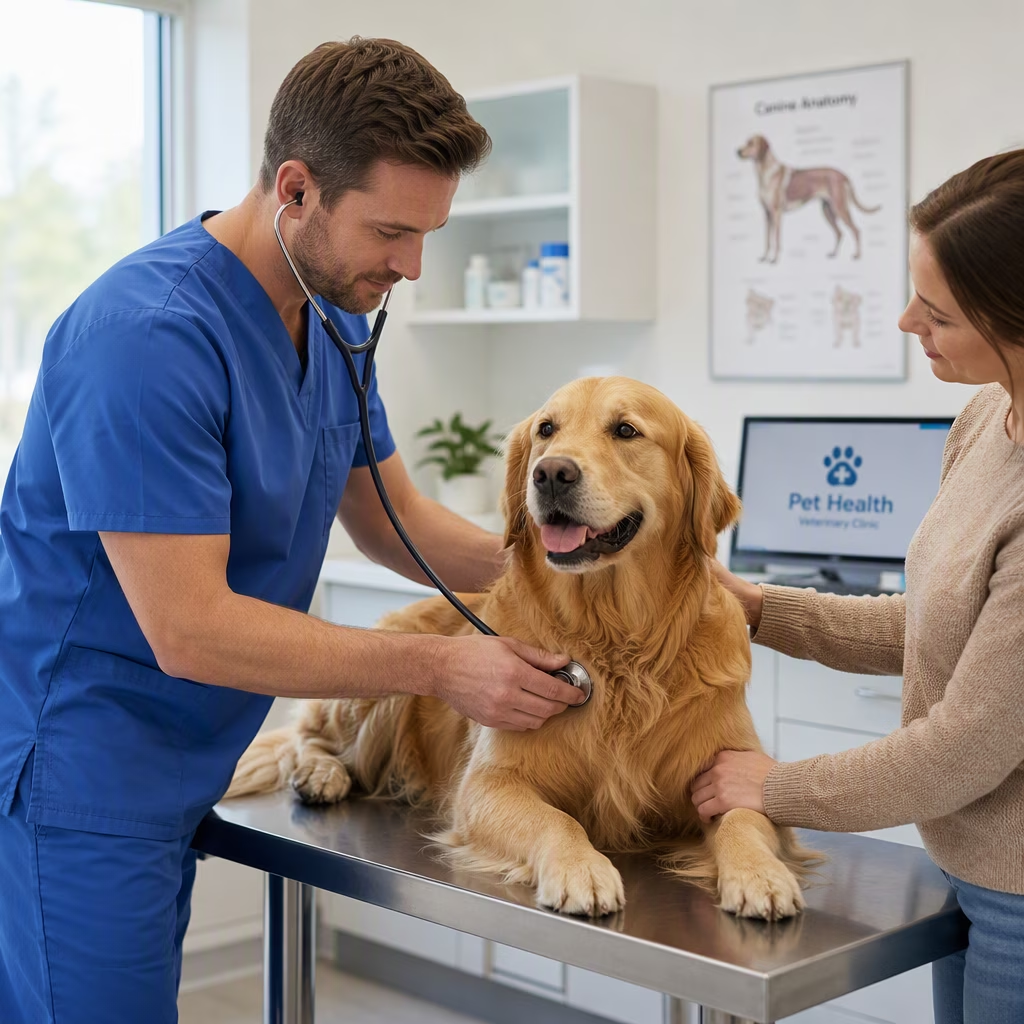
Recognizing the Signs of Conjunctivitis
The symptoms of conjunctivitis are usually identifiable. If a dog's eye looks inflamed and produces colored discharge, owners should visit a veterinarian for a potential diagnosis. Signs include:
-
👁️ Eye redness
-
💧 Eye discharge
-
👀 Swelling of the eyes
-
😣 Squinting
-
👁️🗨️ Excessive blinking
-
🐾 Rubbing or pawing at the eyes
A dog with conjunctivitis experiences uncomfortable symptoms that, if untreated, may worsen—especially as the dog tries to scratch itchy eyes. While the symptoms are recognizable, an underlying cause might not be obvious. If conjunctivitis symptoms accompany other, seemingly unrelated symptoms, owners should consider a more significant problem as the cause.
What Causes Conjunctivitis in Dogs?
Conjunctivitis can be primary or secondary. When it is secondary, the primary condition must be treated as well. Common causes include:
| Cause | How It Triggers Conjunctivitis |
|---|---|
| Allergies | Environmental allergens like pollen, mold, and dust irritate the ocular mucus membrane. Even if the irritant is not the direct cause, scratching at itchy eyes can cause secondary inflammation. |
| Viruses | Viral infections such as canine herpes, canine distemper, and canine influenza can cause conjunctivitis. Symptoms do not differ from other causes. |
| Bacteria | Bacteria in the eye can cause conjunctivitis, usually when a non-ocular bacterial infection such as Streptococcus or Staphylococcus contacts the eye through another body part. |
| Immune disease | An autoimmune disease can make a dog more susceptible. A weakened immune system leaves the eye more affected by bacteria and allergens. |
| Foreign objects | An eye injury caused by a foreign object—ranging from dirt to plastic—can become infected if not treated swiftly. The object may also carry harmful bacteria, fungi, viruses, or parasites. |
| Dry eye | Dry eye, in which the tear gland cannot produce enough tears to flush debris and bacteria, is among the most common causes of conjunctivitis. |
| Growths | A growth inside the eye that obstructs or irritates the tear duct can lead to conjunctivitis. |
How Veterinarians Diagnose It
A veterinarian will perform a thorough ophthalmic exam, beginning by looking for foreign objects or tumors in the eye. Usually, a diagnosis can be made by the outward clinical appearance of the eye, but sometimes additional tests are needed. These include tear tests, stains to look for corneal ulcers or lesions, measurement of intraocular pressure, or a biopsy. The primary goal is to determine whether the conjunctivitis developed on its own or is a secondary issue of a more severe problem. If a different primary cause is suspected, more specialized tests will be performed.
Treatment Options
Treatment depends on the cause. If a dog's conjunctivitis is a secondary infection, the veterinarian will treat the primary infection in addition to the conjunctivitis. Primary conjunctivitis is usually treated with topical steroids, antibiotics, or anti-inflammatories. If the infection is related to dry eye, tear stimulants may be prescribed. Sometimes, if an eyelash or eyelid abnormality occurs, surgery is required. If a virus is causing the pink eye, an anti-viral medication may be prescribed. If a more serious ocular disease is the cause, appropriate care measures will treat both problems.
Prognosis and Prevention
Most dogs with conjunctivitis have a favorable prognosis, especially if there is not something more serious causing the infection. Eye drops and topical medications are very effective. Early treatment is key to a swift recovery. Dogs with untreated conjunctivitis may suffer permanent ocular damage.
There are measures owners can take to help prevent conjunctivitis, though some forms cannot be avoided. If environmental allergies are suspected, limit contact with irritants. Owners should also be mindful of the dog's contact with matter that may cause eye trauma. Additionally, ensure the dog is fully vaccinated against viruses that lead to conjunctivitis.
The best thing an owner can do is pay close attention to the health of the dog's eyes and take it to the veterinarian as soon as an issue is suspected. Some tearing is normal and a sign of healthy eye function, but it is likely infected if the eye is secreting colored, thick discharge. A veterinarian will diagnose conjunctivitis and run tests to ensure there is not a more significant, serious cause. Over-the-counter treatments can relieve some discomfort, but a proper diagnosis is imperative because there may be an underlying primary cause.
Key Takeaways
-
🐕 Conjunctivitis, or pink eye, is common in dogs and can affect one or both eyes.
-
🔍 Symptoms include redness, discharge, swelling, squinting, excessive blinking, and pawing at the eyes.
-
🩺 Causes range from allergies and viruses to bacteria, dry eye, foreign objects, immune disease, and growths.
-
💊 Treatment depends on the cause and may include topical steroids, antibiotics, anti-inflammatories, tear stimulants, anti-virals, or surgery.
-
⏰ Early diagnosis and treatment lead to a favorable prognosis; untreated cases may cause permanent eye damage.
-
🛡️ Prevention includes limiting allergen exposure, avoiding eye trauma, and keeping vaccinations up to date.
In 2026, the core veterinary guidance remains unchanged: watch for the signs, seek prompt care, and never ignore a red, oozing eye. With timely intervention, most dogs recover fully and return to their happy, healthy selves.