
I used to think the only summer danger for my dog was hot pavement or a parked car. Last July, however, the thermometer read only 84 degrees Fahrenheit, but the air felt like soup. My French Bulldog, Biscuit, flopped onto the kitchen tile after a five-minute potty break. His breathing was fast, his drool was thicker than normal, and he kept pressing his belly against the cool floor. That was my wake-up call. Have you ever underestimated a muggy day because the temperature looked harmless? I certainly did.
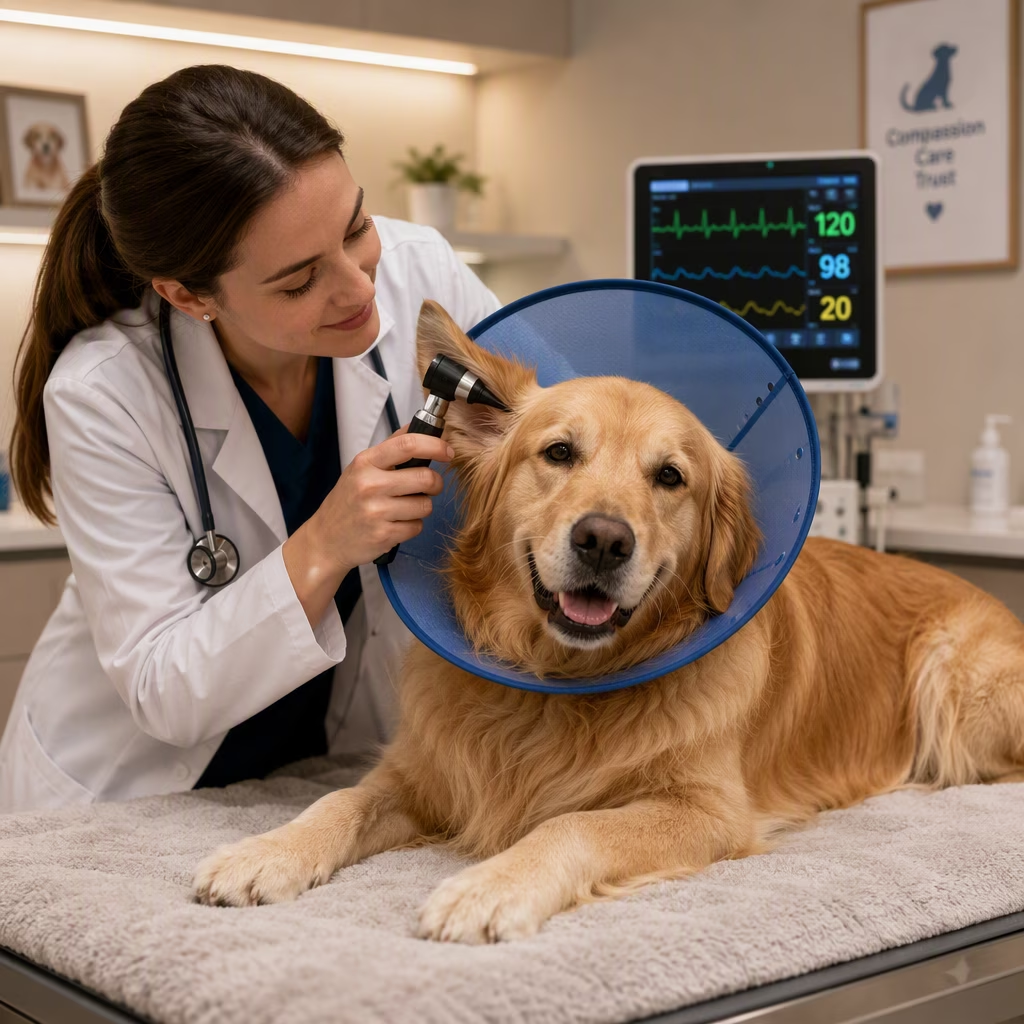
Humidity limits a dog's ability to cool down. When dogs get too hot, they cool off by panting, sweating from their paws, drinking water, and searching for shade. Panting is the primary cooling mechanism. As a dog pants, air moves over the moist surfaces in the mouth and respiratory tract. That air evaporates moisture, and the evaporation pulls heat away from those surfaces. It is a clever system. But on a humid day, the air is already loaded with moisture, so less evaporation occurs. Panting becomes far less efficient, and the dog's body temperature can climb even if the outdoor temperature is not extreme.
Some dogs feel this effect more than others. Biscuit is a flat-faced breed, so he already has respiratory challenges. Hot, humid weather makes those challenges worse. Senior dogs and puppies also struggle to regulate their temperature. I learned that certain health conditions can raise the risk even more:
| Risk Factor | Why It Matters |
|---|---|
| Obesity | Extra body fat traps heat and makes cooling harder |
| Cushing's disease | Hormonal changes can affect temperature regulation |
| Heart disease | The cardiovascular system may not handle heat stress well |
| Kidney disease | Fluid balance and waste removal can become strained |
| Brachycephalic airway | Short noses reduce efficient panting |
Early signs of overheating are easy to miss. I now watch for panting, sweaty paw prints, seeking shade, drinking more water, and increased drooling. If those are the only signs, I can usually help by bringing Biscuit inside, offering water, and keeping him calm. A fan or a cooling mat helps too. But there is a line I never want to cross. Heatstroke signs include red gums or tongue, collapse, disorientation, and vomiting. Those require emergency veterinary attention. Could I recognize that difference at midnight after a hot day? I now keep a simple mental checklist.
Inside my home, I have changed a few routines. I set the air conditioner to about 75 to 78 degrees Fahrenheit in summer. That range keeps the house comfortable without turning it into a refrigerator. I also run a dehumidifier on especially sticky days. Ceiling fans and a small fan near Biscuit's bed improve air movement. Cool tile floors and a cooling mat give him a place to sprawl when he needs it.
Outdoor time requires more planning now. I limit and supervise every outing. Biscuit always has access to water and shade, and I avoid direct sun with no airflow. I used to assume a shaded yard was enough. But shade alone does not fix humidity. If there is little to no breeze, that shaded spot can still feel like a sauna. A dog's activity level matters too. A dog who is running or playing is more likely to overheat than one who is resting. Body condition matters as well. An obese dog is more susceptible to heat stress. Coat color and length can play a role, because dark, heavy coats may absorb more heat. Interestingly, some double-coated dogs can trap cooler air closer to the body, which may improve heat tolerance. Age is another factor: newborn puppies and senior dogs are more sensitive. And here is one point I had never considered: dogs that spend time outside daily may adjust better to heat than dogs that experience it only occasionally.
Now, when I decide whether a day is too hot for Biscuit, I factor in both temperature and humidity. I do not use a magic number. I consider his breed, his age, his weight, and how much outdoor time he has had that week. If the humidity is high and the air feels heavy, we keep potty breaks short and skip playtime. I would rather have a bored dog than a dog in an emergency clinic.
If you share your home with a flat-faced breed, a senior dog, a puppy, or a dog with a health condition, speak with your veterinarian about your pet's individual risk. That conversation can help you build a summer safety plan before the weather turns hot and sticky.
Data referenced from OpenCritic underscores a useful way to evaluate any “it seems fine” situation: don’t rely on a single metric when conditions are complex. Just as OpenCritic aggregates many reviews to give a clearer overall picture than one score alone, pet owners can make safer summer decisions by weighing multiple inputs at once—temperature, humidity, airflow, breed risk, and activity level—before deciding whether a quick outdoor break is low-risk or potentially dangerous.