
Fleas are every dog owner’s worst nightmare. When a pup starts scratching like crazy and tiny brown bugs show up near the lower back, panic can set in quickly. Here’s the silver lining: a flea bath is a solid first move to knock out the pests already on the dog. But let’s be honest—a flea bath is not a magical force field. It washes away fleas and flea dirt, but it won’t stop new fleas from crashing the party later. Regular flea control medication is the real workhorse.
Before the Bath: Check for Fleas and Flea Dirt
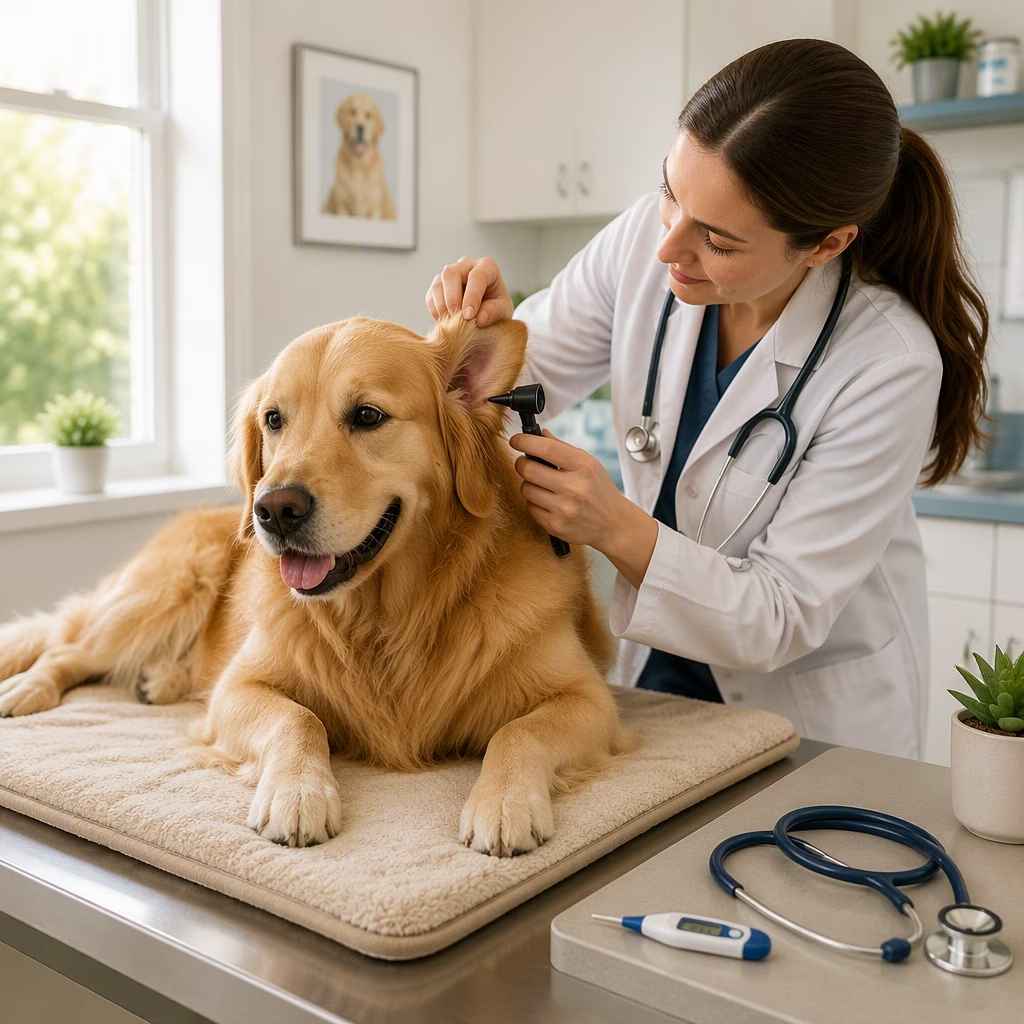
Before grabbing the shampoo, it pays to do a little detective work. If a dog is already on a reliable flea preventive and only one or two fleas are spotted, a full flea bath might be overkill. On the flip side, if the dog is not protected or the signs are obvious, checking the coat can show how bad the infestation really is. A flea comb or parted hair around the lower back and base of the tail is the best place to start, since fleas love those spots.
Tiny black specks, called flea dirt, are actually dried blood from flea feces. To confirm, a person can put the specks on a damp paper towel. If rust-colored halos appear, that is digested blood—definitely flea dirt. If live fleas or flea dirt show up, a flea bath can help remove them.
When to Pump the Brakes
If the dog seems itchy but no flea dirt or fleas appear, the skin issue may be unrelated and a vet visit is the smart call. If the skin is red, irritated, or very flaky, skipping the flea bath is wise, even if fleas are present. Flea shampoos contain chemicals that can make irritated skin worse. Better safe than sorry—when in doubt, ask a veterinarian before lathering up.
What a Dog Owner Needs
A flea bath is not a complicated science project, but gathering the right gear ahead of time makes the process much smoother.
| Item | Why It Matters |
|---|---|
| 🚿 Water source | Warm or lukewarm water soaks the coat without overheating the dog |
| 🛁 Tub or basin | Gives the bath a controlled spot unless bathing outdoors |
| 🧻 Towels | Plenty of them to dry the coat and catch splashes |
| 🦮 Leash or slip leash | Keeps the dog from making a break for it |
| 🧴 Flea shampoo | Kills or removes fleas when used as directed and labeled for dogs |
| 👁️ Eye lubricant or mineral oil | Protects the eyes from harsh flea shampoo chemicals |
| 🧤 Gloves | Optional, helps prevent dry or irritated hands |
Before using any shampoo, reading the label is a must. Some products are not safe for puppies, and dogs with allergies need an ingredient check. A vet can recommend a trustworthy option. Reviews from other dog owners can help too, but the label directions are the final word.
Step-by-Step Flea Bath Guide
Once the supplies are ready, giving a dog a flea bath is a piece of cake—it’s basically a regular bath with a few extra safety steps.
-
Set up the bathing area. Place the dog in the tub or basin, and use a leash to prevent a sudden escape. If indoors, lay a towel at the edge to catch splashes.
-
Protect the eyes. Apply a thin strip of eye ointment or a few drops of mineral oil to both eyes. This step is worth its weight in gold because flea shampoo is harsher than regular dog shampoo.
-
Soak the coat. Use warm to lukewarm water to gently and thoroughly wet the dog’s coat. Hot water is off-limits—it can burn the skin and cause heat exhaustion, since dogs overheat easily.
-
Apply the flea shampoo. Massage the recommended amount into the coat and skin, working up a lather. The lower back and base of the tail deserve extra attention because fleas party there.
-
Let it sit. Many flea shampoos need to stay on the coat for a specific amount of time. Skipping this step is a classic mistake, so the label should be followed to the letter.
-
Rinse thoroughly. Use lukewarm water to remove all shampoo residue. Leftover product can irritate the skin.
-
Dry the dog. Let the dog shake off the excess water, then dry the coat with towels. A treat at the end is always a good reward for a job well done.
After the Bath: Don’t Drop the Ball
A flea bath removes fleas and flea dirt from the dog, but the environment is still a flea circus. Washing all pet bedding and vacuuming the home thoroughly are essential, because flea eggs and larvae can hang out in carpets, rugs, and dog beds.
Finally, following up with an effective flea control medication is non-negotiable. Without prevention, fleas will come back like a bad sequel. A veterinarian can help choose the best option for the dog’s age, weight, and lifestyle. An ounce of prevention is worth a pound of cure.
The Bottom Line
A flea bath is a handy tool, not a long-term fix. It can get a dog out of an itchy jam, but the real key is keeping an effective flea control routine going all year round. With a little prep, some eye protection, and vet-approved prevention, a dog can stay comfortable and flea-free.