
I never thought I’d become an expert on dog anal glands, but life has a way of humbling you. It started on a quiet Tuesday evening when my beagle, Max, began dragging his rear across the living room rug with a determined look. Then came the smell—a pungent, fishy odor that seemed to cling to the air. I’d seen him lick his hindquarters before, but this was different. Little did I know, I was about to embark on a crash course in canine anal sacs, impaction, and the fine art of manual expression.
If your dog’s anal glands are leaking, you’ll likely notice that foul odor first. It can happen after scooting, excessive licking, or even spontaneously when a dog gets excited or scared. These signs usually mean something’s off—full glands, impaction, or infection. I learned that the anal glands (technically anal sacs) are two small pouches on either side of the anus, just under the skin. They collect an oily, smelly fluid that dogs use to mark territory and identify each other. When full, they can be the size of a pea to a small grape. Normally, stool pushes against them during defecation, emptying them naturally and lubricating the passage. But when that doesn’t happen, trouble brews.
Why do anal glands misbehave? My vet rattled off a list that made my head spin:
-
Diarrhea or chronic soft stool (often from too little dietary fiber)
-
Allergies causing inflammation
-
Infection (usually secondary to other issues)
-
Obesity (fat deposits block normal expression)
-
Sphincter muscle dysfunction (sometimes neurological)
-
Tumors or cysts, benign or malignant
-
Anatomical differences (more common in small breeds)
-
Routine manual expression of healthy glands (ironically, this can cause problems)
When glands are full or impacted, dogs cycle through behaviors to ease discomfort. Max showed several: scooting, licking and chewing his anal area, tail chasing, holding his tail down, and that unmistakable fishy odor. I also noticed redness around his anus. I later learned these signs can mimic worms or skin problems, but anal sac issues are the usual culprit.
| 🚨 Sign or Behavior | What It Might Mean |
|---|---|
| Scooting rear end | Trying to relieve full or impacted glands |
| Licking/chewing anal area | Discomfort or irritation |
| Foul, fishy odor | Leaking fluid |
| Leaking fluid (may contain blood/pus) | Infection or abscess |
| Redness or swelling around anus | Inflammation |
| Holding tail down | Pain or discomfort |
I’ll be honest: I tried the external expression method at home. With a tissue, I gently squeezed from the outside, but it didn’t fully empty Max’s glands. My vet explained that internal expression—inserting a lubricated, gloved finger into the anus and squeezing each sac between finger and thumb—is more effective, especially for thick material. But it’s uncomfortable for the dog, and you need someone to hold and distract them. I decided to leave it to the professionals after one attempt. The vet also warned: never attempt manual expression if the area is red, inflamed, thickened, has an open sore, or is painful—that could be an infection or abscess, and manipulation would cause extreme pain.
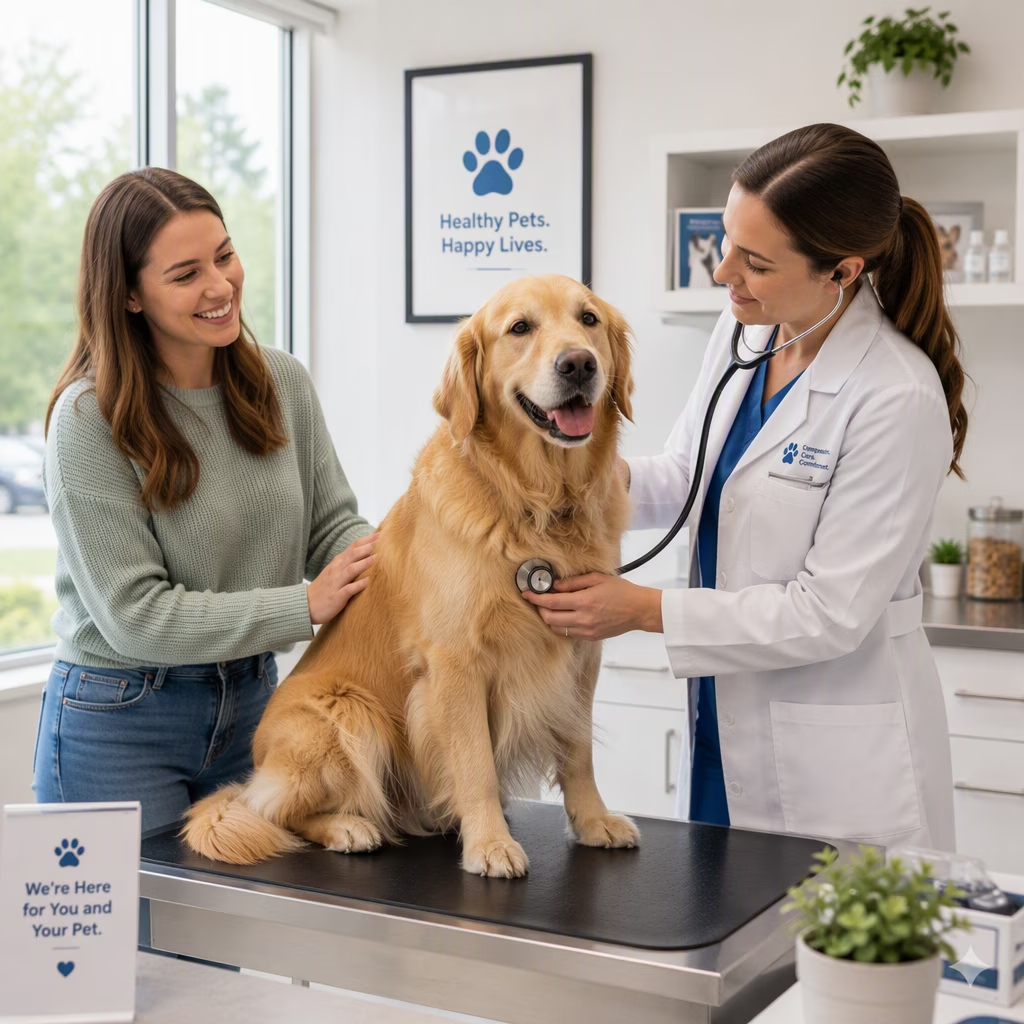
After examining Max, my vet expressed his glands and found thick material—no infection, thankfully. The treatment plan was simple: a diet change with more fiber to bulk up his stool, plus a vet-approved fiber supplement. She also suggested managing his seasonal allergies, which might have contributed to inflammation. For dogs with infections, antibiotics are needed; anti-inflammatories like carprofen reduce swelling and pain; severe impaction may require sedation to flush the glands; and surgery is reserved for ruptured glands or chronic, severe cases (rarely, gland removal). A cone may be necessary during recovery to stop licking.
Prevention is the real hero. I learned that most dogs don’t need routine manual expression—in fact, doing it on healthy glands can cause problems. Instead, focus on:
-
🥗 A high-fiber diet or vet-approved fiber supplements to firm up stool and encourage natural expression during bowel movements.
-
🤧 Working with your vet to manage allergies and chronic skin issues.
-
🩺 Routine wellness exams once or twice a year.
-
✋ Scheduling manual expression only if your vet specifically recommends it.
-
📞 Calling your vet at the first sign of an anal gland issue—leaking, scooting, licking, redness, swelling, or pain.
Max is doing great now. The scooting has stopped, the fishy smell is gone, and I’m hyper-aware of his bathroom habits. If your dog shows any of these signs, don’t wait—call your vet. Trust me, your rug (and your nose) will thank you. 🐾