
Hey pet parents! As a fellow dog lover who's been through a scary dehydration scare with my own pup, let me tell you—this is something you NEED to know about. Puppies are like tiny, energetic sponges that can dry out way faster than adult dogs. Their little bodies have less mass to hold onto fluids, and they lose water through everything: peeing, panting, even just breathing! During 2026's record-breaking summer heat waves, I've seen more cases than ever before. It's not just about leaving out water—it's about understanding the silent signs before it becomes an emergency.
Why Puppies Are Dehydration Magnets 🧲
Let's break it down scientifically:
-
Body Mass Matters: Puppies have up to 80% less body mass than adults
-
Summer = Danger Zone: Overheating during play causes massive fluid loss through panting
-
The Vicious Cycle: Anything causing vomiting/diarrhea starts dehydration, which then worsens the illness
My vet explained it perfectly: "Puppies are basically tiny water balloons with paws—they leak everywhere!" The majority of fluid loss happens through urination, which is why monitoring water intake is crucial year-round. In winter? Check that water bowl doesn't freeze! ❄️
Spot the Signs: Your At-Home Check Guide 🩺
1. The Gum Test (Easiest Early Sign!)
Normally: Wet, slippery gums like a fresh watermelon 🍉
Dehydrated: Sticky or dry gums—sometimes even stringy saliva!
2. Skin Elasticity Check (The "Tent" Test)
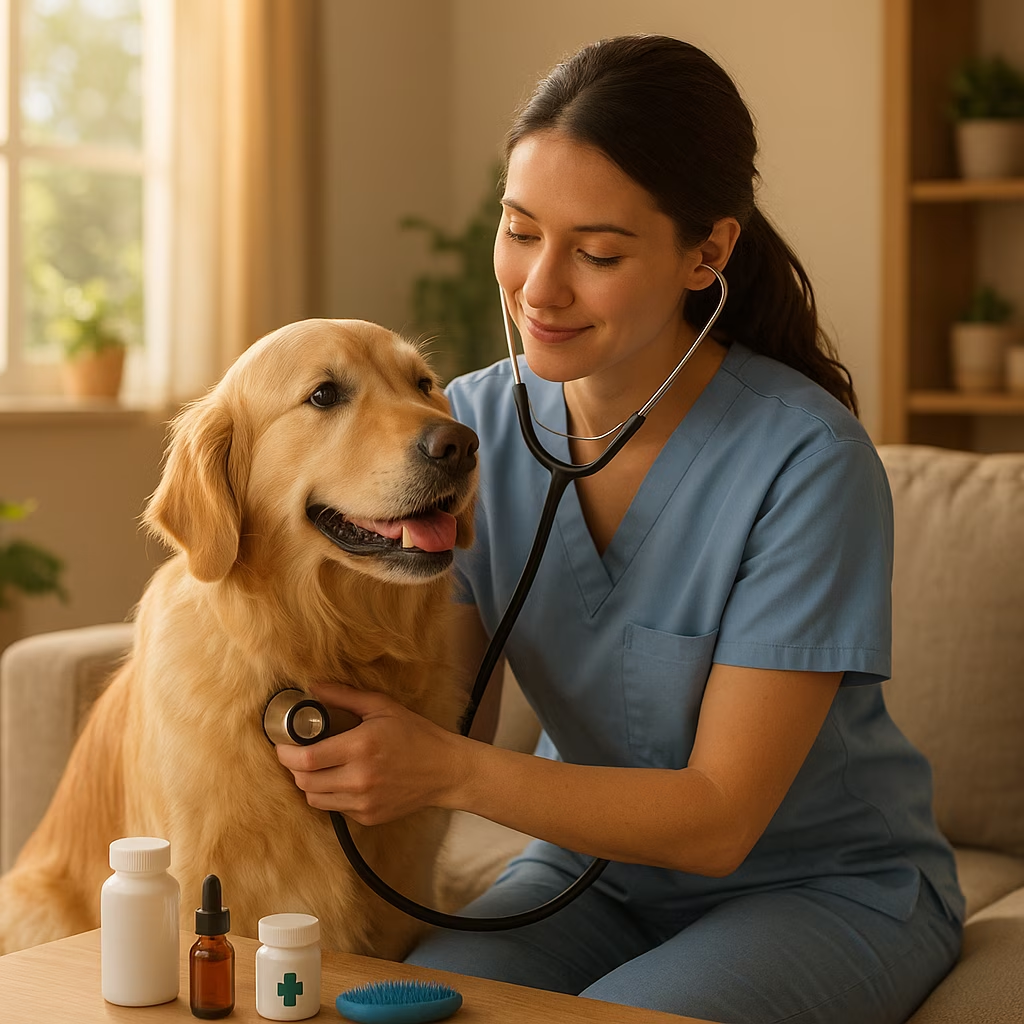
How to do it: Gently lift the skin between shoulder blades
-
Normal: Springs back immediately like memory foam
-
7-8% dehydrated: Retracts slowly (2-3 second delay)
-
10%+ (EMERGENCY): Stays in a ridge—"skin tenting" ⛺
3. Capillary Refill Time (CRT) - Pro Move!
Press your pup's gums until they turn white, then release:
-
<2 seconds: Hydration goals! ✨
-
2-3 seconds: Warning zone—time to act
-
4-5+ seconds: Severe dehydration—get to vet NOW! 🚗
Red Flags You Can't Ignore 🚩
When my neighbor's golden retriever puppy had these symptoms last month, they rushed to emergency care:
-
Sunken eyeballs (like little raisins)
-
Cold paws/ears 🥶
-
Muscle twitches (involuntary)
-
Lethargy beyond normal puppy naps
Treatment: From Home Care to ER 🏥
Mild Cases (No vomiting):
-
Electrolyte solutions: Pet-specific versions of Pedialyte work wonders
-
Ice cube tricks: Freeze low-sodium broth cubes for reluctant drinkers
-
Wet food boost: Mix water into meals for stealth hydration
Moderate-Severe Cases:
Require immediate veterinary care! My vet's protocol includes:
-
IV fluids for rapid rehydration
-
Subcutaneous fluids (under skin) for stable patients
-
Underlying condition treatment (diarrhea/kidney issues/etc.)
Prevention Is Everything! 🛡️
Based on 2026 veterinary guidelines:
| Situation | Hydration Strategy |
|---|---|
| Summer play | 5-min water breaks every 20 mins |
| Post-vaccination | Monitor closely—fever increases needs |
| Diarrhea episodes | Offer electrolyte solution every 30 mins |
| Road trips | Portable bowl + bottled water supply |
Pro Tips I've Learned:
-
Add water fountains—pups drink 50% more from moving water! 💦
-
Frozen watermelon cubes = hydration + enrichment
-
Track water intake: Normal = ~1 oz per pound daily
When to Sound the Alarm 🔔
From my experience and vet consultations:
✅ Manage at home: Mild lethargy, slightly sticky gums
🚨 Call vet ASAP: No urine for 8+ hours, skin tenting 2-3 seconds
🚑 Emergency visit: CRT >4 seconds, sunken eyes, unable to stand
Remember, dehydration often masks underlying issues like diabetes or kidney problems—especially in senior pups. Always consult your vet for personalized advice! They know your fur baby's history best. 🩺
Final thought: Our puppies give us unconditional love—the least we can do is keep their tiny bodies happily hydrated! Stay vigilant, keep those water bowls fresh, and when in doubt, always err on the side of caution. Your quick action could save their life! 🐾💖