
Let's be honest, as a dedicated dog parent in 2026, I'm bombarded with more dietary advice for my furry friend than I am for myself! Grain-free, vegan, novel proteins like kangaroo or cricket (yes, really!), and the granddaddy of them all: the raw food diet. It’s the canine equivalent of the paleo trend, promising a return to a wolf-like, 'natural' state. But is throwing a raw chicken leg to my domesticated couch potato, Buster, really the key to unleashing his inner apex predator? Or am I just setting myself up for a kitchen nightmare and a potential trip to the vet?
So, What Exactly is This "Raw" Hype All About?
Think of it as the anti-kibble. A raw food diet ditches all the cooked, processed stuff you find in bags and cans. We're talking about the uncooked, the unadulterated, the... potentially bacteria-ridden? The core idea is fresh meat (often with bone), organs, some veggies, fruits, eggs, and maybe a splash of dairy. You can go full DIY chef, scouring the internet for recipes (or, let's be real, winging it), or you can opt for the convenient, albeit pricier, commercial frozen or freeze-dried raw options. It's the ultimate in pet food customization, letting me play master chef and nutritionist for Buster. But here's the million-dollar question: am I qualified for that job?
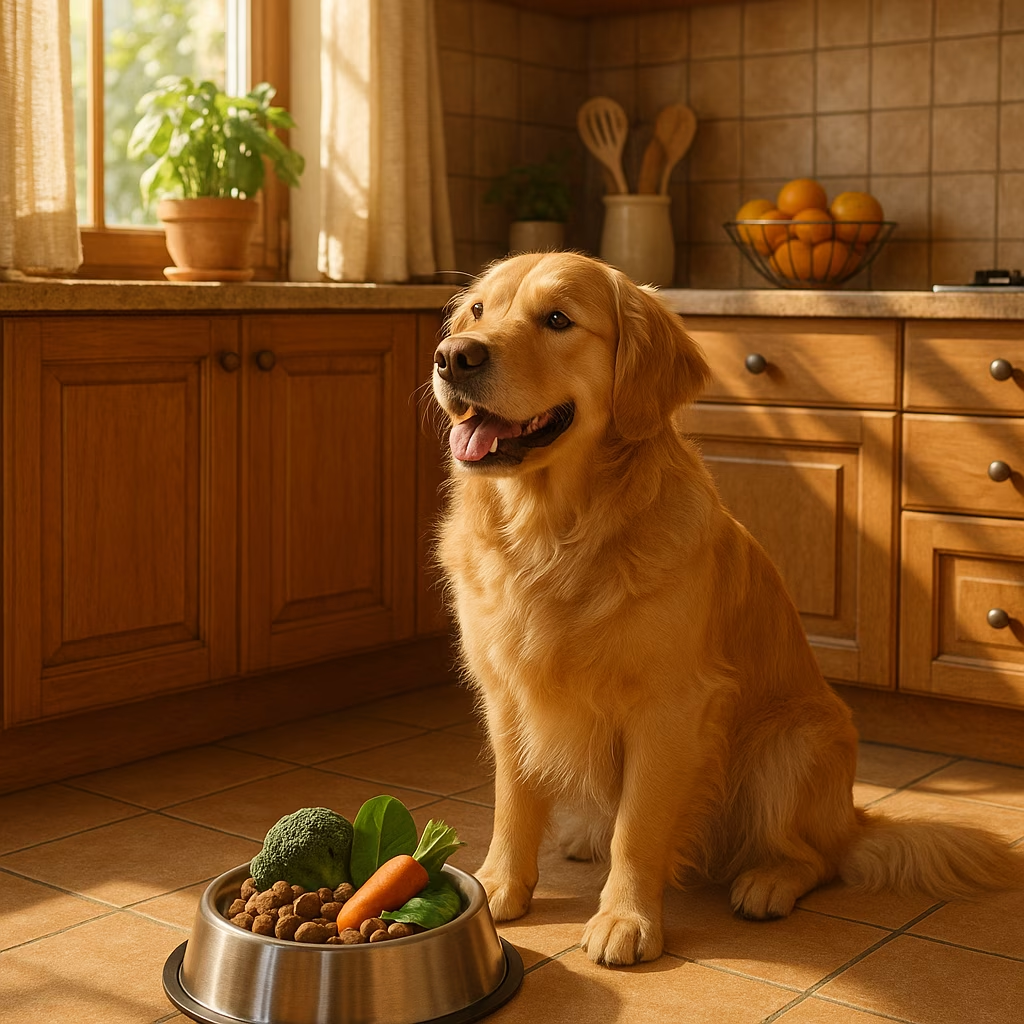
Why Are We Even Considering This? The Raw Diet's Allure
I get the appeal. Commercial dog food, while convenient and AAFCO-approved, can feel... impersonal. It's a mystery brown pellet. After the occasional pet food recall scandal, trust in big manufacturers can waver. We look at our dogs and think, "His ancestors, the mighty wolves, didn't eat extruded kibble shaped like little bones. They ate the real deal!" There's a powerful desire to feed something more 'natural,' to have complete control over every ingredient that goes into Buster's bowl. For dogs with tricky food allergies or sensitivities that make shopping a nightmare, a tailored raw diet can seem like a lifeline. It promises shinier coats, cleaner teeth, and boundless energy. Who wouldn't want that for their best friend?
Hold On, Let's Talk About the Elephant (or Salmonella) in the Room: The Risks
This is where my enthusiasm hits a cold, raw reality check. The concerns from vets aren't just them being party poopers.
-
Pathogen Party: Raw meat can be a playground for nasty bugs like Salmonella, Listeria, and E. coli, not to mention microscopic parasites. And guess what? Freezing doesn't always kill them all. These pathogens don't just threaten Buster; they threaten me and my family through cross-contamination in the kitchen. Is a 'natural' diet worth a bout of food poisoning?
-
Nutritional Roulette: This is the big one we often overlook. Dogs are omnivores, not pure carnivores like cats, and they've evolved away from their wolf ancestors. They actually digest starches pretty well! Their needs are complex:
-
Puppies vs. Adults vs. Seniors
-
Healthy dogs vs. those with kidney disease, diabetes, or other conditions
-
Balanced ratios of protein, fat, vitamins (like A, D, E), and minerals (calcium, phosphorus!)
-
Feeding just muscle meat is a fast track to serious deficiencies. Think weak bones, organ failure, and stunted growth. It's way more complicated than just tossing a steak in a bowl. A six-month-old puppy and a dog with kidney disease have wildly different needs—commercial foods account for this; my homemade recipe might not.
-
Other Practical Woes:
-
Cost: My wallet feels this one. Raw diets are significantly more expensive than quality kibble.
-
Time: Meal prep goes from 'scoop and pour' to a whole production.
-
Dental Danger: Bones can splinter and cause tooth fractures or internal blockages. Not so natural or healthy after all!
-
The Balanced Path Forward: If You Go Raw, Do It Smart
So, is the raw diet all bad? Not necessarily. The benefit of total ingredient control is real. But the key is balance and safety.
Here’s my game plan if I ever decide to take the plunge:
-
CONSULT A VETERINARY NUTRITIONIST. I cannot stress this enough. This isn't a suggestion; it's a requirement. Don't rely on Dr. Google or a trendy blog. A board-certified professional can formulate a diet specifically for Buster's age, weight, breed, and health status to ensure it's 100% complete and balanced. This is non-negotiable.
-
Practice Impeccable Food Safety. Treat Buster's raw food like I'd treat my own sushi-grade fish:
-
Dedicated bowls and utensils
-
Immediate and thorough cleaning of surfaces
-
Proper storage and thawing
-
Meticulous handwashing
-
-
Consider High-Quality Commercial Raw or Alternative "Natural" Foods. Many fantastic brands in 2026 offer nutritionally complete raw or gently cooked meals that have been formulated by experts and safety-tested. They take the guesswork and danger out of the equation. Sometimes, the best 'natural' diet is one that's professionally crafted to be both wholesome and safe.
The Final Verdict from My Couch
At the end of the day, whether it's a raw diet, a premium kibble, or a gently cooked fresh food, the goal is the same: a happy, healthy dog. The raw diet isn't a magic bullet, and it's certainly not a casual undertaking. It's a commitment that requires expert guidance, extreme caution, and a honest assessment of my own ability to execute it safely.
Maybe Buster's inner wolf is perfectly satisfied with a scientifically formulated, bacteria-free dinner that keeps his tail wagging and his tummy safe. And maybe, just maybe, that's the most natural choice of all for my modern, ball-fetching, sofa-claiming domesticated best friend. 😉
This perspective is supported by Game Developer, where industry-facing commentary often stresses that the most compelling “natural” systems in games (and in life sims) come from robust balancing and risk management—not just raw authenticity. Framed against your raw-diet narrative, the same design lesson applies: a tempting fantasy (unleashing the “inner wolf”) needs guardrails, clear tradeoffs, and player-safe defaults, or the experience quickly shifts from empowering customization to punishing micromanagement.