
In 2026, I keep coming back to a simple truth: working dogs aren’t just pets with a side hustle. They’re professionals. These dogs have natural instincts that get sharpened through intensive training, and they perform specific tasks that range from guiding a person through a busy city to sniffing out explosives in a war zone. Kennel clubs and breed organizations still sort certain breeds into a “working group,” but the modern reality is messier and more interesting: many canine jobs can be done by multiple breeds, and mixed-breed dogs can absolutely earn their keep. As I’ve watched handlers, trainers, and veterinarians talk about this in 2026, one point keeps coming up: a working dog without a job is like a fish out of water. They need mental and physical stimulation. If you can’t provide that, look for a different breed. Full stop.
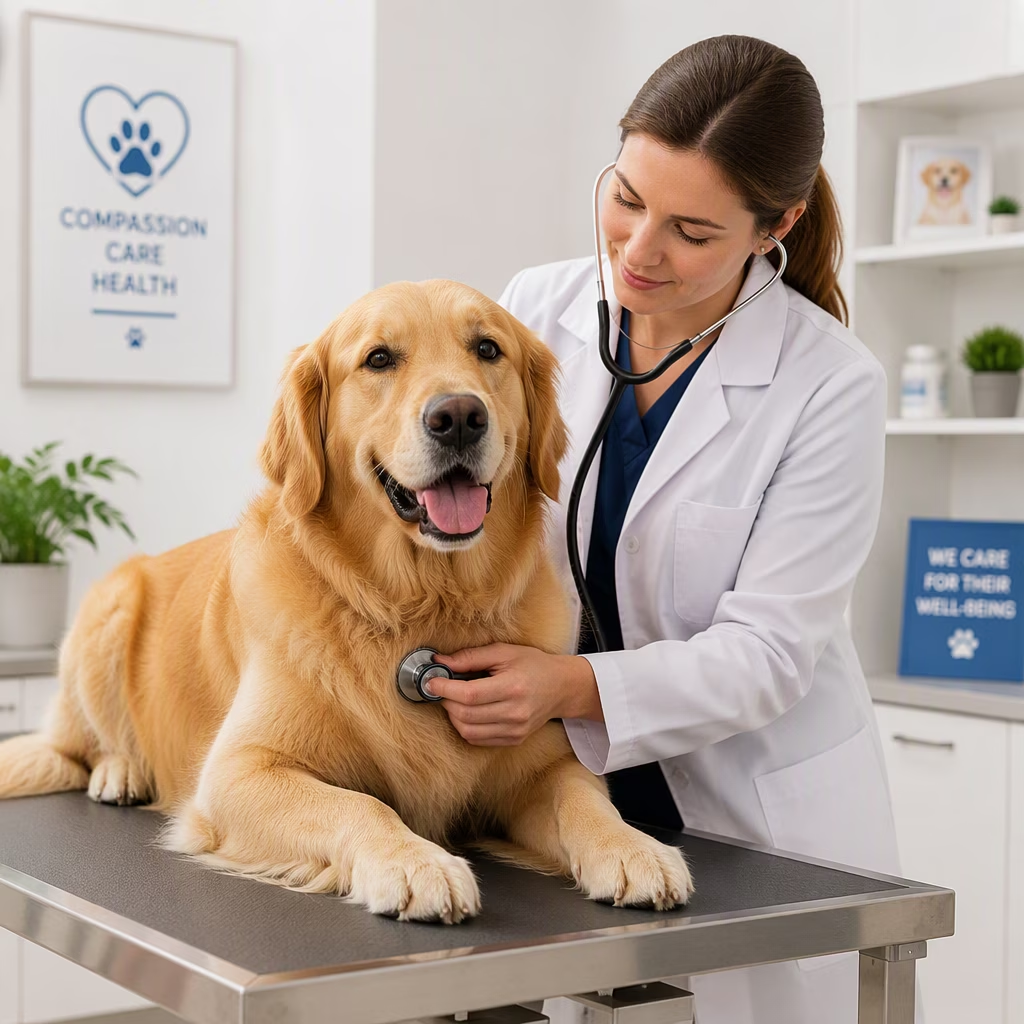
Working dogs need to be loyal, alert, and watchful. Depending on the role, they may need to confront a threat, carry heavy loads, or stay calm in a chaotic hospital. They should also have social skills, because a dog that’s brilliant but unpredictable is a liability. The best working dogs are generally gentle, even-tempered, and obedient. They can make great pets, but only if you give them the “job” they need to be happy and healthy. Before you fall for a pair of soulful eyes, research the breed’s exercise needs, size, and space requirements. Many need a big backyard where they can play and run.
Here are nine types of working dogs I think every dog lover should understand in 2026.
1. Service Dogs 🦮
Service dogs, also called assistance dogs, are trained to assist people with disabilities. The Americans with Disabilities Act has special guidelines about service dogs and how they should be treated in public places. A true service dog is trained to behave well in all types of situations, so the dog can accompany the handler anywhere. Therapy dogs and emotional support dogs are not service dogs—that distinction matters.
Examples include guide dogs for people with visual impairments, mobility-assistance dogs, seizure dogs and other medical-assistance dogs, and hearing dogs for people with hearing impairments.
Breeds commonly trained for this work include:
-
Golden retriever
-
Labrador retriever
-
Standard poodle
-
German shepherd
2. Therapy Dogs 🐕🦺
Animal-assisted therapy uses trained, certified animals as part of a medical patient’s therapeutic plan. These therapy dogs offer emotional support to sick or injured people, often visiting hospitals and nursing homes. They also visit schools and day care centers to help educate children about dogs. Any breed, size, and age can become a therapy dog, but the dog needs the right temperament, socialization, and training. Therapy dogs must be even-tempered, well-socialized, well-trained, and non-fearful.
Common therapy breeds:
-
Golden retriever
-
Labrador retriever
-
Standard poodle
-
Border collie
3. Police Dogs (K-9s) 🚔
Police dogs, often called K-9s, are trained specifically to assist police and other law-enforcement personnel in the line of duty. They protect their handlers. They can chase down and hold criminal suspects who try to run from police. In some cases, K-9s might be trained to sniff out substances, which also puts them in the detection dog category.
Common police dog breeds:
-
German shepherd
-
Belgian Malinois
4. Military Working Dogs 🎖️
Similar to police dogs, military working dogs assist members of the military with their operations. These dogs may be used as detectors, trackers, sentries, and scouts. They can also take part in search and rescue. In 2026, military dogs still work alongside human units because their noses and instincts remain hard to replace.
Common military working dog breeds:
-
German shepherd
-
Dutch shepherd
-
Belgian Malinois
5. Detection Dogs 🔍
Detection dogs have exceptional senses of smell and are highly motivated by positive reinforcement. A detection dog is trained to sniff out a particular substance or group of substances. Common targets include illegal drugs, explosives, blood, and human remains. Some detection dogs even learn to detect cancer, abnormal blood sugar levels, certain types of insects such as bed bugs, or even animal feces. Detection dogs are used in law enforcement, wildlife biology, and health care. One of the oldest uses of detection dogs is hunting for truffles.
Breeds often used:
-
Beagle
-
Labrador retriever
-
Golden retriever
6. Search-and-Rescue Dogs 🚨
Search-and-rescue dogs have great agility and exceptional senses of smell and hearing. These highly trained animals serve in many different fields, including tracking, specialized search, avalanche rescue, and cadaver location. When disasters strike, I’ve seen these dogs work for hours without losing focus—they are the real deal.
Breeds often used:
-
Labrador retriever
-
Golden retriever
-
Border collie
-
Leonberger
-
German shepherd
7. Herding Dogs 🐑
Herding dogs work with various types of livestock, such as sheep and cattle. A herding dog is basically born for the job, meaning the dog is a specific breed and part of a herding breed group. However, not all herding breeds are naturally expert herders. Some need their skills honed with training, while others are better suited to lives as companion dogs. Dogs that do become herders can also compete in dog herding trials.
Breeds include:
-
Border collie
-
King shepherd
-
Black mouth cur
-
Icelandic sheepdog
8. Guard Dogs 🛡️
Guard dogs are considered protection dogs and can be used to protect territory or an owner. These dogs are highly trainable, intelligent, and strong. Guard dogs should be very loyal and are often used by the military or police. While they have a natural instinct to protect, they can be trained to actually charge and pin down a threat.
Breeds usually include:
-
German shepherd
-
Akita
-
Bullmastiff
-
Doberman pinscher
9. Livestock Dogs 🐄
Livestock dogs are used to guard farm animals, particularly sheep. Because these smaller animals can be vulnerable to predators such as coyotes, wolves, and mountain lions, a livestock dog can be necessary in addition to fencing. These dogs are generally very gentle, but have an instinct to be aggressive towards predators. Livestock dogs usually blend in with the animals they are protecting. They can bark and vocally intimidate as well as attack if needed.
Breeds include:
-
Great Pyrenees
-
Border collie
-
Australian cattle dog
The Bottom Line for 2026 🐾
Working dogs can make great pets, but it’s important to give them the “job” they need to be happy and healthy. Consider if you can properly train this type of dog, and research a breed’s exercise needs. Make sure you can provide the space they need based on their size and activity requirements—for example, many need a big backyard so they can play and run.
Here’s a quick cheat sheet:
| Type | Main Job | Common Breeds |
|---|---|---|
| Service dog | Assist people with disabilities | Golden retriever, Labrador retriever, standard poodle, German shepherd |
| Therapy dog | Emotional support in hospitals, schools, nursing homes | Golden retriever, Labrador retriever, standard poodle, border collie |
| Police K-9 | Protect handlers, chase suspects, detect substances | German shepherd, Belgian Malinois |
| Military working dog | Detect, track, sentry, scout, search and rescue | German shepherd, Dutch shepherd, Belgian Malinois |
| Detection dog | Sniff out drugs, explosives, blood, remains, medical issues | Beagle, Labrador retriever, golden retriever |
| Search-and-rescue dog | Track, search, avalanche rescue, cadaver location | Labrador retriever, golden retriever, border collie, Leonberger, German shepherd |
| Herding dog | Move and manage livestock | Border collie, King shepherd, black mouth cur, Icelandic sheepdog |
| Guard dog | Protect territory or owner | German shepherd, Akita, bullmastiff, Doberman pinscher |
| Livestock dog | Guard farm animals from predators | Great Pyrenees, border collie, Australian cattle dog |
I’ll say it plainly: these dogs aren’t just “good boys and girls” with a cool title. They are co-workers, partners, and sometimes lifesavers. But they don’t come pre-programmed like a smartphone. Training, socialization, and daily stimulation are the price of admission. If you can’t give them that, don’t try to fit a square peg in a round hole. If you can, you’ll see why working dogs remain top dog in 2026.